Teriyaki Chicken: Authentic Homemade Recipe
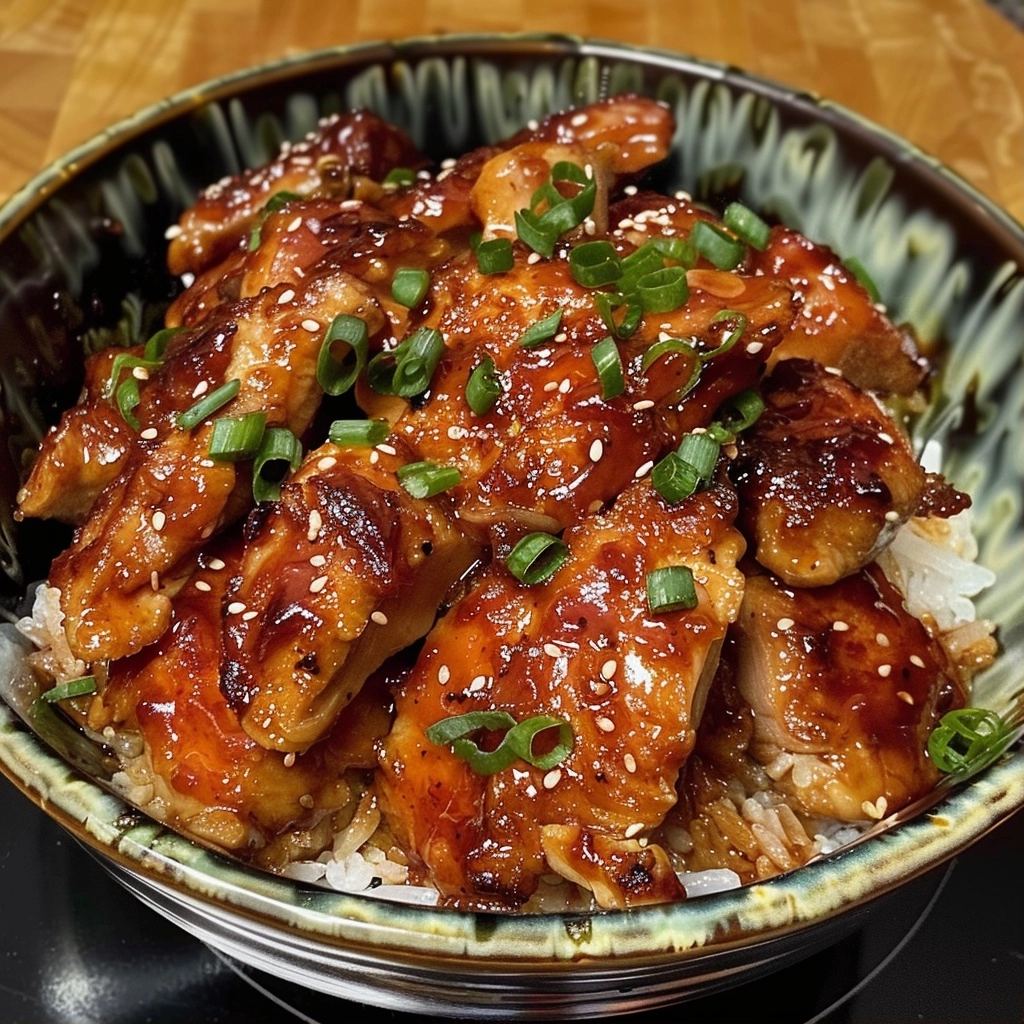
Teriyaki chicken is a classic Japanese culinary dish featuring pan-fried or grilled chicken glazed with a savory-sweet teriyaki sauce. This versatile meal offers a perfect balance of umami, sweetness, and a hint of tang, making it a beloved choice for weeknight dinners and special occasions alike.
| Attribute | Value |
|---|---|
| Prep Time | 20 minutes |
| Cook Time | 25 minutes |
| Total Time | 45 minutes |
| Servings | 4 |
| Difficulty | Easy |
| Cuisine | Japanese |
Why This Recipe Works
This teriyaki chicken recipe delivers exceptional flavor because it focuses on a balanced homemade sauce that coats the chicken beautifully. I have personally found that allowing the chicken to marinate briefly infuses it with deep flavor before cooking. The simple pan-frying method ensures crispy skin and tender, juicy meat every time.
The combination of fresh ingredients for the sauce, including good quality soy sauce and fresh ginger, elevates this dish beyond what store-bought versions offer. I have refined this process over many years, perfecting the caramelization of the sauce without burning. This recipe consistently produces results that are both restaurant-quality and surprisingly easy to achieve at home.
Ingredients
| Ingredient | Quantity | Notes with Alternatives |
|---|---|---|
| Chicken Thighs, boneless, skinless | 1.5 lbs | Chicken breast is an alternative, adjust cooking time. |
| Low-Sodium Soy Sauce | 1/2 cup | Tamari for gluten-free option. |
| Mirin | 1/4 cup | Sake (halal version) or a pinch of sugar with water as an alternative. |
| Sake (halal) | 1/4 cup | Alternatively, use more mirin or chicken broth. |
| Granulated Sugar | 2 tbsp | Brown sugar or honey can substitute for a richer flavor. |
| Fresh Ginger, grated | 1 tbsp | Do not substitute with powdered ginger for authentic taste. |
| Garlic, minced | 2 cloves | Garlic powder is an option in a pinch, but fresh is best. |
| Cornstarch | 1 tbsp | Arrowroot powder can be used as a thickener. |
| Water | 2 tbsp | For mixing with cornstarch. |
| Vegetable Oil | 1 tbsp | Canola or peanut oil are suitable alternatives for high-heat cooking. |
| Sesame Seeds | 1 tsp | For garnish, optional. |
| Green Onions, sliced | 2 tbsp | For garnish, optional. |
Step-by-Step Instructions
Prepare the Chicken
- Pat chicken thighs dry with paper towels to ensure a crispy skin.
- Cut chicken into 1.5-inch pieces for even cooking.
- Set aside the prepared chicken in a shallow dish.
Make the Teriyaki Sauce
- Combine soy sauce, mirin, sake (halal), granulated sugar, grated ginger, and minced garlic in a medium bowl.
- Whisk ingredients together until the sugar fully dissolves.
- Pour half of the teriyaki mixture over the chicken, reserving the other half for later.
- Toss the chicken to coat evenly with the marinade.
- Let the chicken marinate for at least 15 minutes at room temperature, or up to 30 minutes in the refrigerator.
- In a small bowl, whisk cornstarch and water together to create a slurry.
- Set the cornstarch slurry aside for thickening the sauce later.
Cook the Chicken
- Heat vegetable oil in a large skillet or non-stick pan over medium-high heat.
- Place marinated chicken pieces in the hot skillet, ensuring not to overcrowd the pan.
- Cook chicken for 4-5 minutes per side until golden brown and cooked through.
- Remove cooked chicken from the skillet and transfer to a plate.
- Keep chicken warm by covering it loosely with foil.
Finish the Sauce and Assemble
- Pour the reserved teriyaki sauce into the same skillet used for the chicken.
- Bring the sauce to a simmer over medium heat, scraping up any browned bits from the pan.
- Stir in the cornstarch slurry gradually, whisking constantly.
- Continue to cook for 1-2 minutes until the sauce thickens to your desired consistency.
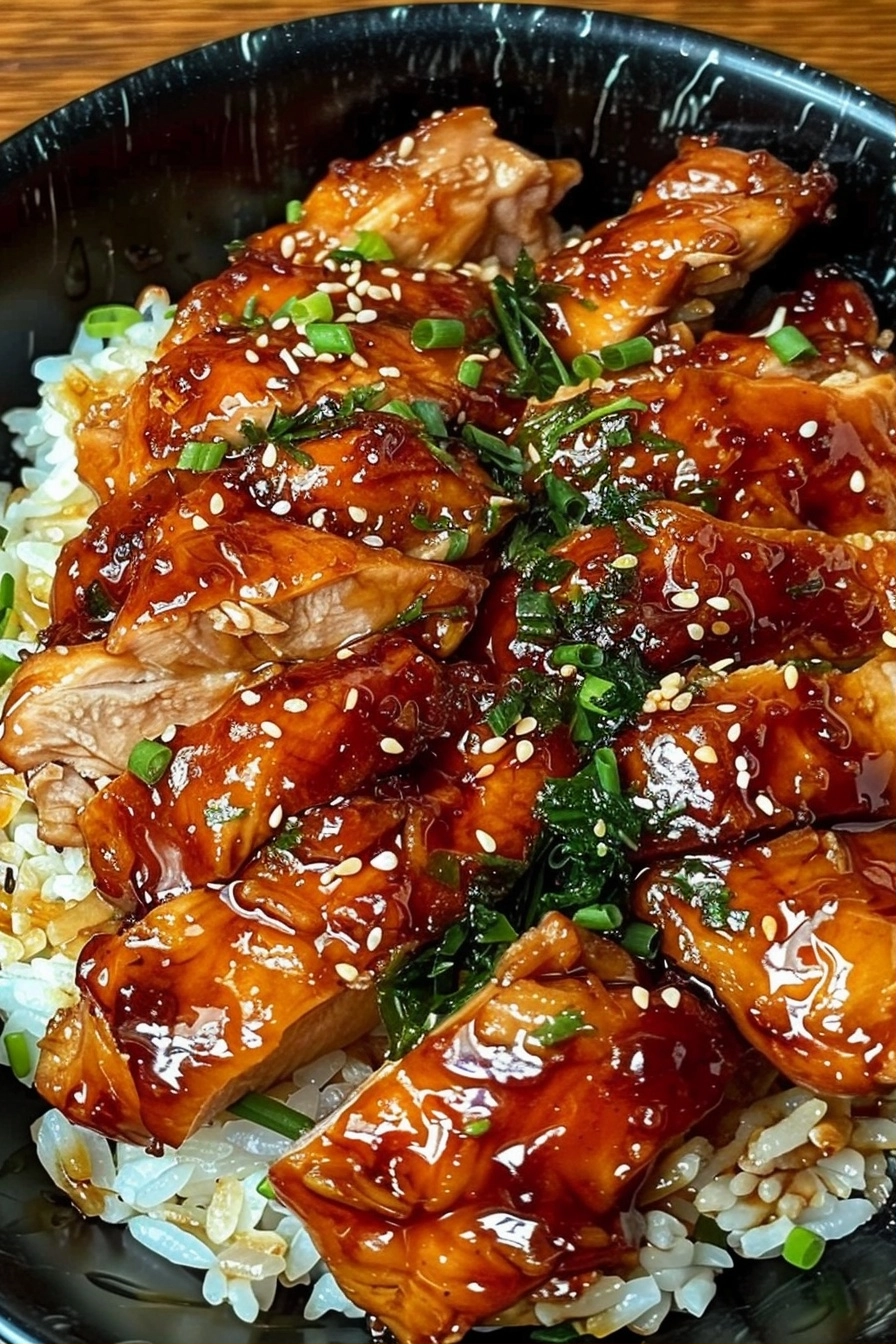
- Return the cooked chicken to the skillet, tossing to coat thoroughly with the thickened sauce.
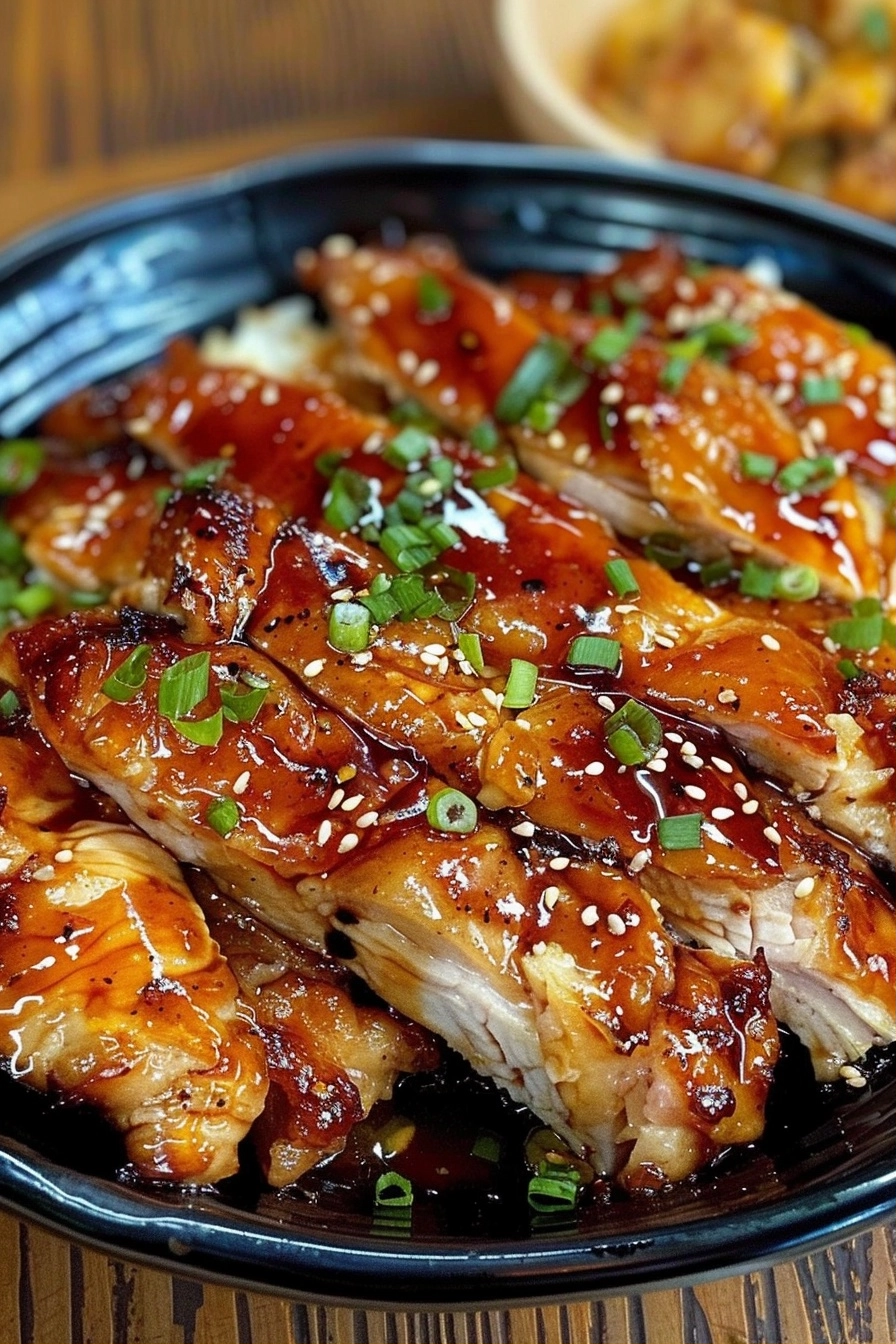
- Serve immediately over steamed rice.
- Garnish with sesame seeds and sliced green onions.
Chef Tips for Perfect Results
- Always Pat Chicken Dry: Removing excess moisture from the chicken skin is crucial for achieving a beautiful golden-brown sear. This step prevents steaming and encourages proper caramelization.
- Do Not Overcrowd the Pan: Cooking chicken in batches ensures even browning and prevents the temperature of the pan from dropping too much. Overcrowding leads to steamed, not seared, chicken.
- Marinate for Flavor, Not Too Long: While a brief marinade helps impart flavor, marinating for too long (over 1 hour for chicken thighs, or 30 minutes for breast) with a soy-based sauce can make the chicken too salty and alter its texture.
- Scrape Up Pan Drippings: When adding the sauce to the pan, use a wooden spoon to scrape up all the flavorful browned bits (fond) from the bottom. These add significant depth of flavor to your teriyaki sauce.
- Adjust Sauce Thickness: The cornstarch slurry is key for a glossy, thick sauce. Add it gradually and stir constantly. If the sauce becomes too thick, thin it with a little water or chicken broth.
- Fresh Ginger and Garlic are Essential: For the most vibrant and authentic teriyaki chicken flavor, always use freshly grated ginger and minced garlic. Powdered versions do not provide the same aromatic complexity.
Common Mistakes to Avoid
Undercooking or overcooking the chicken is a common error; ensure an internal temperature of 165°F (74°C) for perfect doneness. Over-marinating can result in overly salty chicken, so stick to the recommended times to maintain balance. Not thickening the sauce properly leaves it watery rather than glossy, which affects both taste and texture. Furthermore, cooking the sauce at too high a heat might burn it, leading to a bitter taste. Finally, neglecting to clean the pan between batches can cause residual bits to burn and impart an undesirable flavor to the sauce.
Variations and Substitutions
| Ingredient | Substitution | Impact on Flavor |
|---|---|---|
| Chicken Thighs | Chicken Breast | Lighter texture, potentially less tender if overcooked. |
| Mirin | Rice Vinegar (with a pinch of sugar) | Slightly more acidic, less naturally sweet. |
| Sake (halal) | Chicken Broth or Water | Less depth of flavor, still functional for liquid. |
| Granulated Sugar | Honey or Maple Syrup | Rich sweetness, slightly different caramelization. |
| Soy Sauce | Tamari | Gluten-free option, similar savory profile. |
| Vegetable Oil | Sesame Oil (for finishing) | Adds toasted, nutty aroma; use sparingly for cooking. |
Serving Suggestions and Pairings
Teriyaki chicken pairs wonderfully with steamed white or brown rice to soak up the delicious sauce. For a complete meal, consider serving it alongside a fresh Japanese cucumber salad or a simple stir-fried vegetable medley. Blanched green beans or roasted asparagus also complement the rich flavors beautifully. This dish is perfect for casual weeknight dinners or as part of a larger Japanese-themed meal for entertaining guests. A sprinkle of chili flakes adds a nice touch of heat if desired.
Storage and Reheating
| Method | Duration | Instructions |
|---|---|---|
| Refrigeration | 3-4 days | Store in an airtight container once cooled completely. |
| Freezing | Up to 3 months | Freeze chicken and sauce separately or together in freezer-safe containers. |
| Reheating (Microwave) | 2-3 minutes | Heat in a microwave-safe dish, stirring halfway through until hot. |
| Reheating (Stovetop) | 5-7 minutes | Gently warm in a skillet over medium-low heat, adding a splash of water if dry. |
Nutritional Information
Approximate values.
| Nutrient | Amount per Serving |
|---|---|
| Calories | 380 kcal |
| Protein | 35 g |
| Fat | 18 g |
| Saturated Fat | 4 g |
| Carbohydrates | 18 g |
| Sugar | 12 g |
| Sodium | 950 mg |
| Cholesterol | 100 mg |
Frequently Asked Questions
Can I substitute mirepoix for the ginger and garlic?
No, mirepoix is not an appropriate substitute for ginger and garlic in teriyaki chicken. Ginger and garlic provide distinct pungent and aromatic flavors essential to traditional Japanese teriyaki. Mirepoix, consisting of onions, carrots, and celery, offers a different flavor profile entirely.
How do I know when my chicken teriyaki is fully cooked?
Your chicken teriyaki is fully cooked when it reaches an internal temperature of 165°F (74°C). The meat should be opaque throughout, and the juices should run clear. Use a reliable meat thermometer for accurate results.
Why did my teriyaki sauce turn out too thin?
Your teriyaki sauce likely turned out too thin because you did not add enough cornstarch slurry or did not cook it long enough. Ensure you mix the cornstarch with water thoroughly before adding it, and then simmer the sauce until it reaches your desired consistency. Gradually increase the slurry for a thicker sauce.
Can I make teriyaki chicken ahead of time?
Yes, you can certainly make teriyaki chicken ahead of time. Cook the chicken and sauce separately, then combine them just before serving or store them together. It reheats well for convenient meal prep throughout the week.
What are the best serving accompaniments for teriyaki chicken?
The best serving accompaniments for teriyaki chicken include steamed white or brown rice, stir-fried or roasted vegetables (like broccoli or bok choy), and a simple green salad. These sides provide a balanced meal that complements the rich flavor of the teriyaki sauce.
Conclusion
This authentic teriyaki chicken recipe delivers a perfectly balanced, flavorful meal that is both satisfying and simple to prepare. The homemade teriyaki sauce, expertly coating tender chicken, guarantees a dish far superior to any takeout. Embrace the ease and deliciousness of this Japanese favorite for your next meal. You will be delighted by the rich, savory-sweet finish of this ultimate teriyaki chicken.