
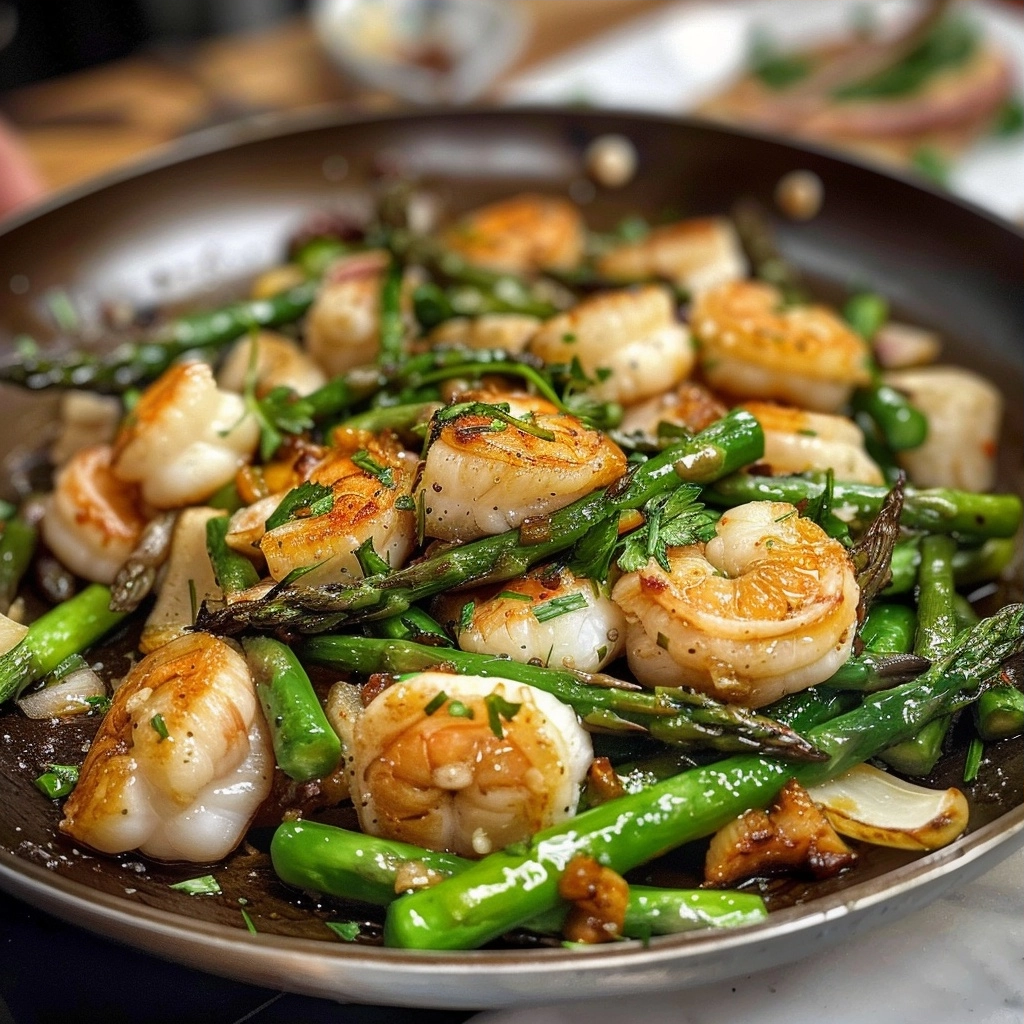
Pan-Cooked Asparagus & Seafood: A One-Pan Delight
Pan-cooked asparagus & seafood delivers a vibrant, flavorful meal featuring tender asparagus and perfectly seared seafood, all prepared in a single pan for maximum taste and minimal cleanup. This dish offers a quick, healthy weeknight dinner solution that is both elegant and satisfying for any home cook looking for efficiency.
| Category | Value |
|---|---|
| Prep Time | 15 minutes |
| Cook Time | 20 minutes |
| Total Time | 35 minutes |
| Servings | 4 |
| Difficulty | Easy |
| Cuisine | Mediterranean |
Why This Recipe Works
This pan-cooked asparagus & seafood recipe truly works because it leverages the power of high-heat cooking in a single pan, which caramelizes the vegetables and perfectly sears the seafood, locking in moisture and flavor. I have found that the sequential addition of ingredients ensures everything cooks to its ideal texture without becoming overdone or mushy, a common pitfall in one-pan meals. The controlled cooking stages allow for distinct textures and flavors to shine through.
Furthermore, the simplicity of ingredients combined with a straightforward cooking method makes this an accessible recipe for cooks of all skill levels. I appreciate how the vibrant green asparagus offers a refreshing crispness that beautifully complements the delicate, flaky texture of the seafood, creating a balanced and visually appealing plate. This method also significantly reduces post-dinner cleanup, making it a favorite in my own kitchen on busy evenings.
The strategic use of aromatic herbs and fresh lemon juice at the end brightens the entire dish, elevating simple ingredients into something truly special. I’ve often served this to guests who are consistently impressed by the depth of flavor achieved with such minimal effort. It’s a testament to how simple techniques can yield gourmet results.
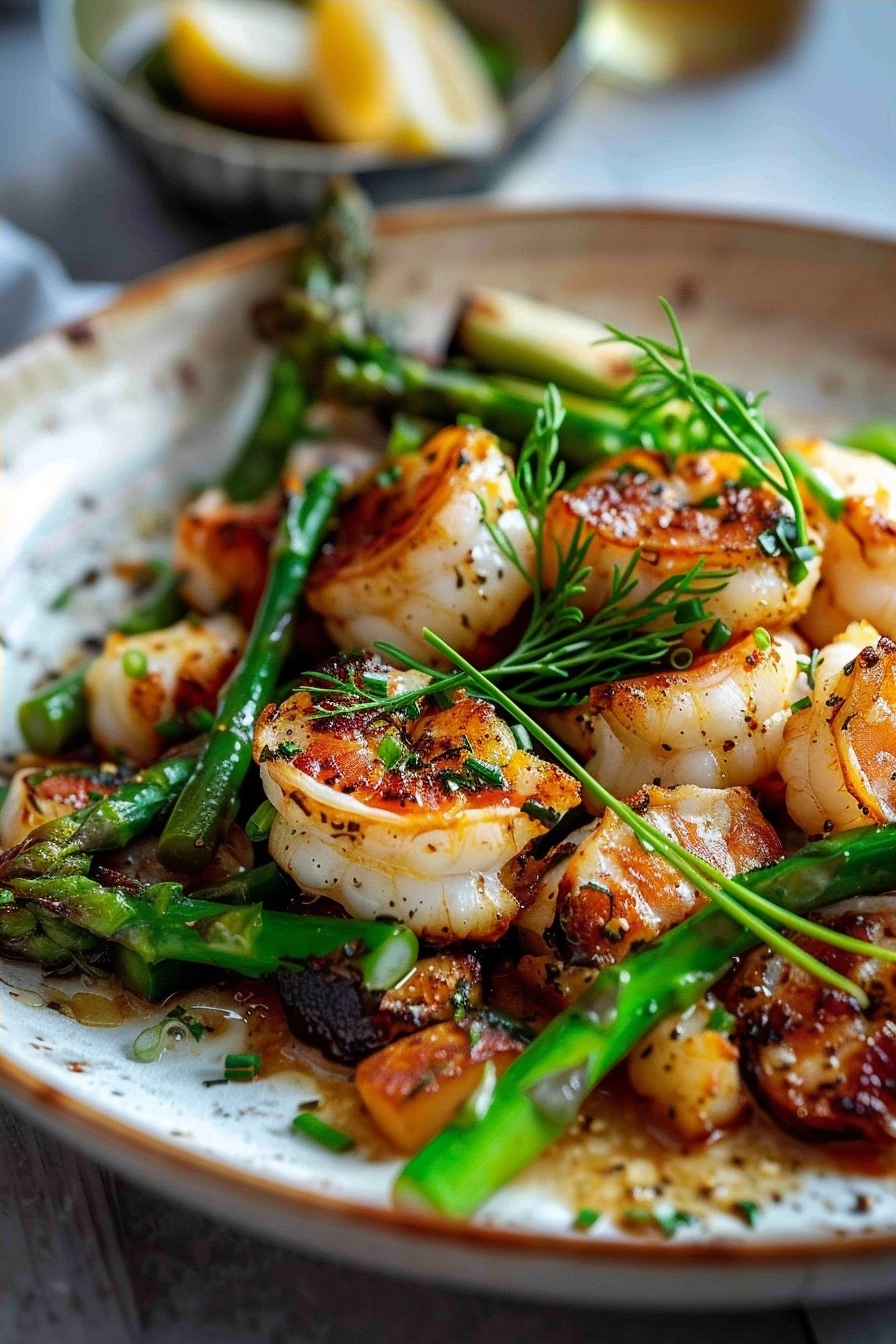
Ingredients
| Ingredient | Quantity | Notes with Alternatives |
|---|---|---|
| Large Shrimp, peeled and deveined | 1 lb | Use fresh or frozen (thawed). Look for sustainably sourced shrimp. Scallops or calamari can be substituted. |
| Cod Fillets, skinless | 12 oz | Cut into 1.5-inch pieces. Halibut, snapper, or mahi-mahi work well as alternatives. |
| Fresh Asparagus | 1 bunch (about 1 lb) | Trim woody ends. Green beans or broccolini can be used if asparagus is unavailable. |
| Extra Virgin Olive Oil | 3 tbsp | Good quality for better flavor. Avocado oil is a suitable alternative for high-heat cooking. |
| Garlic, minced | 4 cloves | Adjust to taste. Garlic powder (1 tsp) can be used in a pinch. |
| Fresh Lemon Juice | 2 tbsp | Always use fresh for the best flavor. Lime juice offers a slightly different, zesty note. |
| Fresh Parsley, chopped | 1/4 cup | For garnish and fresh flavor. Fresh dill or cilantro can be substituted for an alternative herb profile. |
| Red Pepper Flakes | 1/2 tsp | Optional, adjust for desired heat. Omit for a milder dish. |
| Salt | To taste | Kosher or sea salt recommended. |
| Black Pepper | To taste | Freshly ground is always best. |
| Cherry Tomatoes | 1 cup | Halved. Adds a burst of sweetness and color. Grape tomatoes are also suitable. |
Step-by-Step Instructions
Preparation Phase
- Prep the asparagus by snapping off the woody ends, then cut the spears into 1-inch pieces.
- Pat the shrimp and cod pieces dry thoroughly with paper towels; this ensures a good sear.
- Mince the garlic cloves finely and chop the fresh parsley.
- Halve the cherry tomatoes.
Cooking Phase
- Heat 2 tablespoons of olive oil in a large skillet or pan over medium-high heat until shimmering.
- Add the asparagus pieces to the hot pan and sauté for 4-5 minutes, stirring occasionally, until tender-crisp.
- Remove the asparagus from the pan and set it aside in a bowl.
- Add the remaining 1 tablespoon of olive oil to the same pan.
- Add the shrimp and cod to the pan in a single layer, ensuring not to overcrowd.
- Sear the seafood for 2-3 minutes per side, until the shrimp turn pink and opaque and the cod flakes easily.
- Add the minced garlic, red pepper flakes (if using), and halved cherry tomatoes to the pan with the seafood.
- Cook for another 1-2 minutes, stirring gently, until the garlic is fragrant and the tomatoes slightly soften.
Finishing Phase
- Return the cooked asparagus to the pan with the seafood mixture.
- Squeeze fresh lemon juice over the entire dish.
- Stir in the freshly chopped parsley until well combined.
- Season generously with salt and freshly ground black pepper to taste.
- Serve immediately, directly from the pan or transferred to a serving platter.
Chef Tips for Perfect Results
- Achieve a great sear: Always pat seafood thoroughly dry with paper towels before cooking. Moisture on the surface will steam the seafood instead of searing it, preventing that desirable golden-brown crust.
- Avoid overcrowding the pan: If your pan is too full, ingredients will steam instead of sear, leading to a duller flavor and softer texture. Cook in batches if necessary, re-adding everything at the very end. This maintains high heat.
- Don’t overcook the seafood: Seafood cooks quickly; shrimp turn pink and opaque in just a few minutes, and cod will flake easily when done. Overcooked seafood becomes rubbery and dry, so remove it from the heat promptly.
- Use quality olive oil: The flavor of your olive oil will directly impact the dish, especially since it’s used for sautéing and finishing. A good quality extra virgin olive oil adds a rich, fruity note.
- Adjust seasoning precisely: Taste and adjust salt, pepper, and lemon juice just before serving. A final squeeze of fresh lemon juice brightens all the flavors and provides a crucial acidity balance.
- Fresh herbs for freshness: Always use fresh parsley for garnish. Dried herbs lack the vibrancy and aromatic lift that fresh herbs provide, particularly in a simply prepared dish like this.
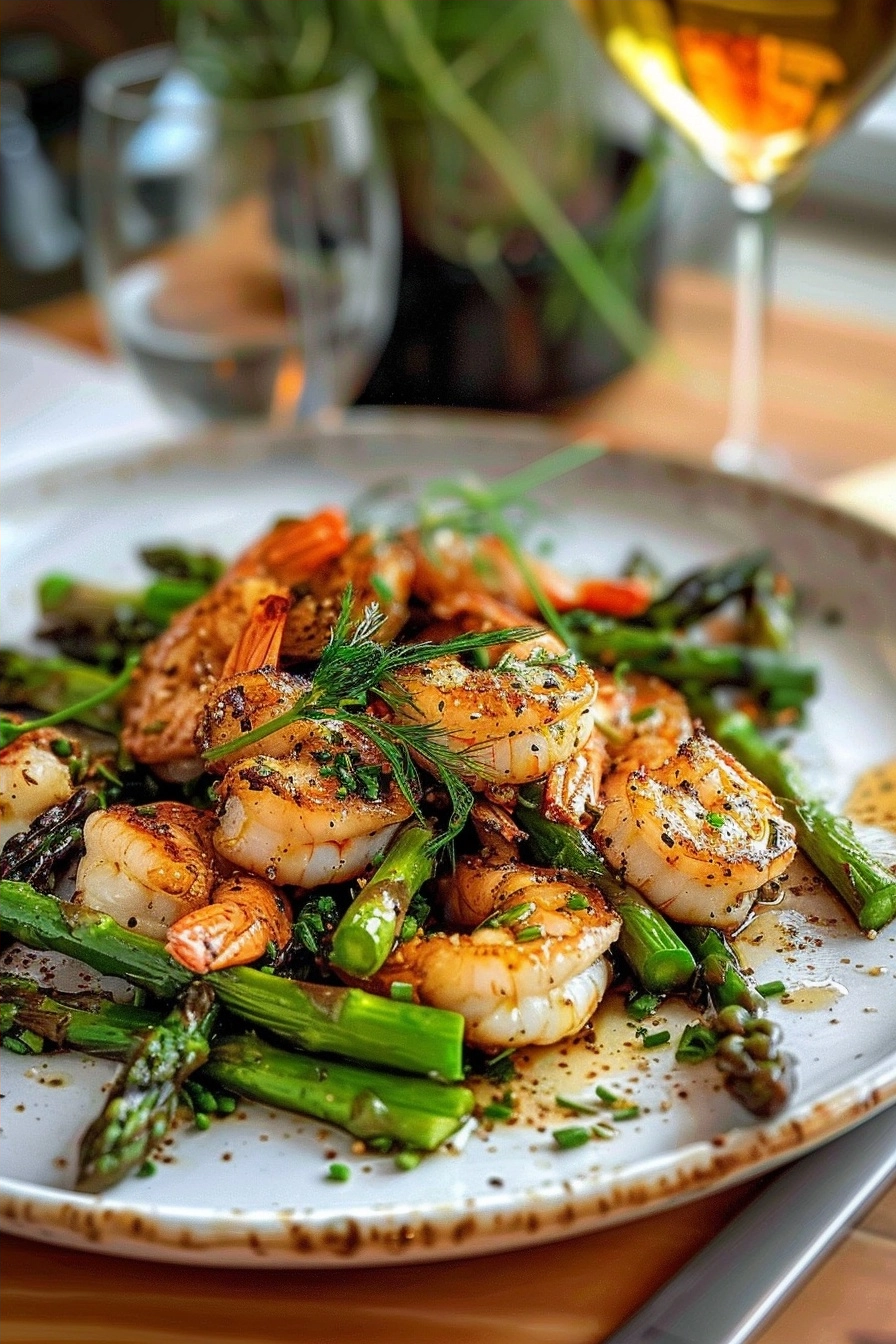
Common Mistakes to Avoid
- Not drying the seafood: Skipping the step of patting shrimp and cod dry makes it impossible to achieve a proper sear. The excess moisture lowers the pan temperature and causes the seafood to steam, resulting in a bland, rubbery texture. Always use paper towels to remove all surface moisture before cooking.
- Overcrowding the skillet: Piling too many ingredients into the pan at once drops the temperature significantly. This prevents browning and leads to soggy vegetables and steamed, rather than seared, seafood. Cook in two batches if your pan is not large enough to hold ingredients in a single layer.
- Overcooking seafood: Seafood cooks very quickly; even a minute or two too long can turn it tough and dry. The moment shrimp turn pink and opaque, and fish flakes easily with a fork, it is done. Remove it from the heat immediately to preserve its tender texture.
- Neglecting seasoning throughout: Only seasoning at the very end results in uneven flavor distribution. Season the seafood before cooking, and taste the asparagus after cooking to adjust salt and pepper. A final taste test before serving allows for final adjustments.
Variations and Substitutions
| Ingredient | Substitution | Impact on Flavor |
|---|---|---|
| Shrimp | Scallops, calamari, or firm white fish (halibut, snapper) | Changes texture; scallops offer a sweeter, firmer bite, calamari adds chewiness. |
| Cod | Salmon, swordfish, or tuna (seared rare) | Salmon adds richness and oiliness, swordfish/tuna offer a meatier texture. |
| Asparagus | Broccolini, green beans, or zucchini slices | Broccolini provides a similar tender-crisp texture. Green beans are slightly firmer; zucchini adds more moisture. |
| Lemon Juice | Lime juice or a splash of white balsamic vinegar | Lime juice offers a sharper, more tropical zest. Balsamic adds a milder, sweeter acidity with a depth of flavor. |
| Red Pepper Flakes | Fresh chopped jalapeño or a pinch of cayenne pepper | Fresh jalapeño provides a brighter, more herbal heat; cayenne adds a more direct, intense spice. |
| Parsley | Dill, chives, or basil | Dill is great with seafood, offering a fresh, slightly anise-like flavor. Chives are milder, oniony. Basil provides a sweet, aromatic note. |
Serving Suggestions and Pairings
This Pan-Cooked Asparagus & Seafood dish is wonderfully versatile and can be served in many ways to suit different occasions. For a light and healthy dinner, serve it simply on its own, allowing the fresh flavors to truly shine. It makes an excellent quick weeknight meal.
For a more substantial offering, pair this dish with a side of fluffy quinoa or brown rice to absorb the delicious pan sauces. A crusty whole-grain baguette is also a fantastic choice, perfect for soaking up every last bit of flavor. Consider a simple green salad with a light vinaigrette to complement the meal further.
This dish also pairs beautifully with a light, crisp side such as a couscous salad with fresh vegetables, or a refreshing cucumber and tomato salad. It’s an ideal meal for a casual family dinner or an impressive yet easy dish for entertaining friends, especially when aiming for a healthy and flavorful option.
Storage and Reheating
| Method | Duration | Instructions |
|---|---|---|
| Refrigerator | Up to 2 days | Store leftovers in an airtight container immediately after cooling. |
| Freezer | Not recommended | Seafood and cooked asparagus tend to become rubbery and mushy, respectively, upon thawing and reheating. |
| Reheating (Stovetop) | 5-7 minutes | Gently warm in a non-stick skillet over medium-low heat with a splash of water or broth, stirring occasionally until just heated through. Avoid high heat. |
| Reheating (Microwave) | 1-2 minutes | Place in a microwave-safe dish, cover loosely, and heat in 30-second intervals until warm. Be careful not to overcook. |
Nutritional Information
| Nutrient | Amount per Serving |
|---|---|
| Calories | 280 |
| Protein | 38g |
| Fat | 12g |
| Saturated Fat | 2g |
| Cholesterol | 150mg |
| Carbohydrates | 8g |
| Fiber | 3g |
| Sugars | 2g |
| Sodium | 450mg |
Approximate values.
Frequently Asked Questions
Can I use frozen seafood for this recipe?
Yes, you can absolutely use frozen seafood for this pan-cooked asparagus & seafood recipe. Ensure that the seafood is completely thawed before patting it dry. Thawing overnight in the refrigerator or using cold running water for quick thawing works best.
How do I know when the asparagus is perfectly cooked?
Asparagus is perfectly cooked when it is tender-crisp, bright green, and still has a slight “snap” when bitten. Avoid overcooking, which turns it soft and dull in color. Typically, this takes 4-5 minutes of sautéing.
Why did my seafood turn out rubbery?
Your seafood likely turned out rubbery because it was overcooked or the pan was overcrowded. Seafood cooks very quickly, and overcrowding causes steaming instead of searing. Always cook seafood in a single layer and remove it from heat immediately once cooked through.
Can I prepare any components of this dish ahead of time?
Yes, you can prepare several components ahead to save time. You can trim and cut the asparagus, mince the garlic, and chop the parsley a day in advance. Store these prepped ingredients in separate airtight containers in the refrigerator.
What are some other vegetables that pair well with this dish?
Beyond asparagus, other vegetables that pair well with this pan-cooked seafood include snap peas, thinly sliced zucchini, or cherry tomatoes, which were already included. For a more substantial side, consider roasted bell peppers or steamed green beans tossed with a bit of lemon and olive oil.
This pan-cooked asparagus & seafood recipe provides a testament to how simple ingredients, combined with efficient cooking techniques, can create an extraordinary dish. It’s a healthy, flavorful, and incredibly convenient meal that brings the delicate taste of the ocean and the fresh earthiness of spring vegetables directly to your table with minimal fuss. Enjoy the vibrant zest of lemon and the subtle warmth of garlic in every bite, making this a true weeknight winner.